 example@gmail.com
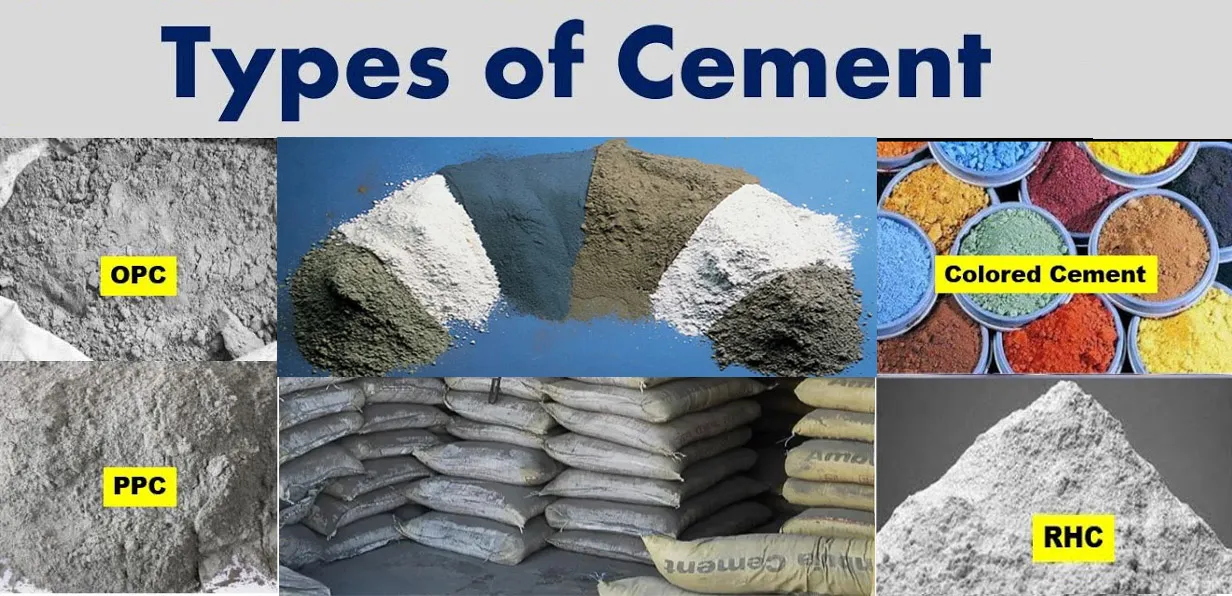
When determining the right cement for construction, you need to know the factors to consider when buying cement for building projects:
Type of Cement and Its Applications
Various types of cement are needed for different construction works. For example, Ordinary Portland Cement (OPC) is generally applied in construction work, whereas Sulphate Resisting Cement (SRC) is chosen for constructions that face aggressive chemical conditions. It is important to know the types of construction cement through a cement selection guide and their applications for the best performance.
Strength and Durability
The strength of the cement determines the load capacity, and its durability shows resistance to environmental conditions. The high-strength cement is most suitable for high-load structures, while moderate strength can be appropriate for residential constructions.
Setting Time and Workability
Setting time influences workability and project duration. Quick-setting cement is suitable for rapid repairs, while slow-setting types provide greater flexibility in construction.
Climate and Environmental Factors
Environmental conditions have a strong influence on cement performance. In warm and humid environments, sulfate-resistant cement can be used to avoid chemical degradation. At the same time, cold climates could call for rapid hardening of cement to achieve fast setting and gain in strength. Taking these factors into account ensures the structure's durability against environmental conditions.
Chemical Composition and Resistance
The chemical composition of the cement determines its susceptibility to different environmental conditions. For instance, in sulfate attack-prone areas, the application of sulfate-resistant cement eliminates structural deterioration. Knowledge of the chemical properties is useful in choosing cement that is resistant to given environmental conditions.
Sustainability and Eco-Friendliness
With increasing environmental issues, the use of environment-friendly cement varieties, like Portland Pozzolana Cement (PPC), is part of being sustainable. These cements usually contain industrial by-products, thus lowering the carbon footprint of construction work.